Foundational Literacy, Part 1: Phonemic Awareness

Updated: Feb 19
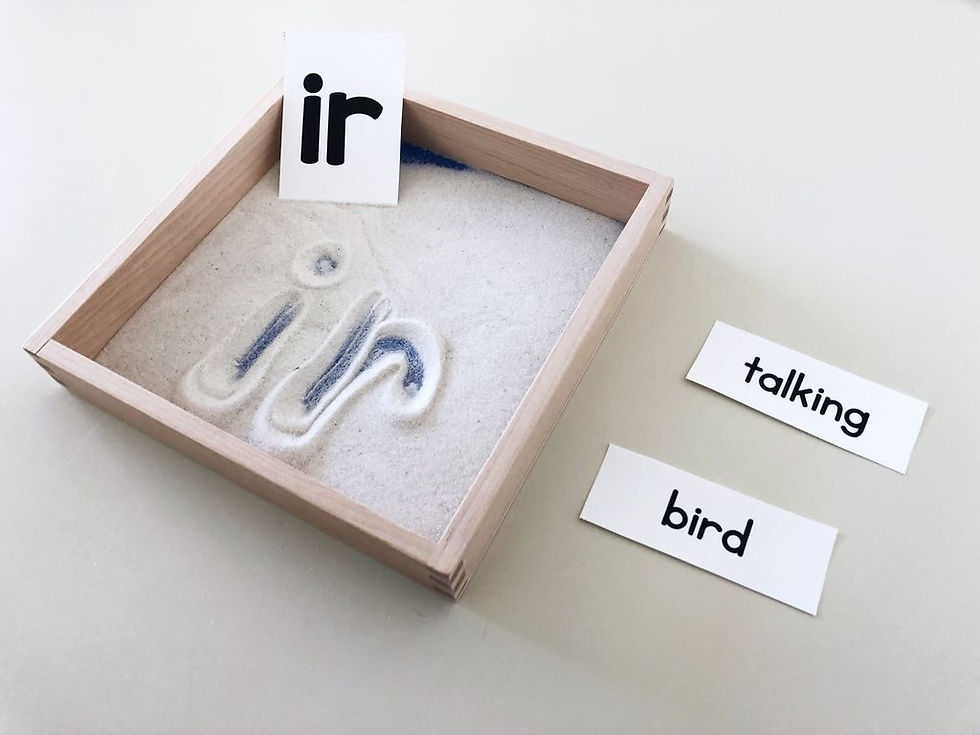
Over the years, I have felt unqualified, underqualified and disqualified in the area of literacy and this sense of inadequacy came from not remembering how I learned how to read. How can I teach something I don't remember? I am so thankful for supportive curriculum and people way smarter than me, to lead the way. In this blog, I want to let you know that I have felt the pressure and responsibility of teaching young humans to read, and I can honestly tell you today that its going to be okay. Here are the first steps you need to get your child on the road to reading.
Children need to be explicitly taught that every written letter has a name and a sound, this is called Phonics. It is very important that children make this connection between individual letter and sounds. I love to do this through songs, games, and even art. Try to keep this fun and hands on.
Choose 3-5 letters each week to focus on and review them daily. I like to use flashcards for this.
Try this:

Activity 1: Show the letter card to the student. Have the student tell you the name and sound of that letter.
Activity 2: Teacher says the letter sound and the student writes the letter. To make it more fun, have them build the letter out of playdough or sprinkle salt on a cookie sheet and have the student write the letter with their finger.
Show your child that each letter sound can combine with other letter sounds to make words. I like to use flashcards for this activity. Having the ability to recognize the placement of sounds to build words and then manipulating them to make new words is called Phonemic Awareness, We want children to recognize beginning, middle & ending sounds of words.
Activity 1: Phonemic Awareness Drill
Print and try this activity:
Tap Cards:
I like to play a game called, "I say it slow, you say it fast." I say a word as slow as I can. When the child registers what that word is, say it fast. Simple right! The goal is for every sound to be over pronounced so that every change in phoneme can be heard clearly and the child is able to understand the word.
I say, "bbbbbbbiiiiiiinnnnnn."
The child says "bin!"
I say, "mmmmmaaaaappppp."
The child says, "map!"
Don't be surprised if the child yells the word out. Something as simple as this game brings out a lot of excitement!
Explicitly show your students how to manipulate sounds. A good way to do this is by daily reading stories that rhyme. Words that rhyme have different beginning sounds, but same endings. That's huge for kids to recognize when learning to read!
Finally, here is a link to an activity that helps children hear initial, middle and final sounds. This is a key skill and should be practiced a minimum of twice a week for remediation.
You will need a good reading curriculum!
I have tried a lot of different curriculums in the past, but these are my tested, tried and true favorites. I do not receive any kick backs for promoting these companies, I simply like them and use them myself. If you ever have questions or comments reach out on our "contact page," and I will personally respond. I hope this article has been a blessing to you.

All About Reading Curriculum Pre-Reading:

Reading Horizons:

Nessy Learning:


Comments